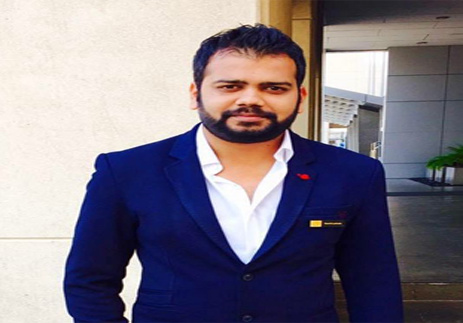
Thalassemia Awareness

Thalassemia Awareness

By Harshit Pahade
MBA HR PROPRIETOR EMPRESIO ENTERPRISES
Thalassemia is a group of blood disorders passed from parents to children through genes (inherited). A person who has Thalassemia makes fewer healthy red blood cells. Their red blood cells do not produce enough hemoglobin, the protein that carries oxygen throughout the body. Thalassemia is a treatable disorder that can be well-managed with blood transfusions and chelation therapy. Specially in today’s world the young generation should come up for this cause and donate blood as much as possible because it can save someone’s life and you should donate on a regular basis too. I personally make a point to donate blood Every three to four months and I have never found it dangerous or not helpful. I look forward to increasing our numbers in spreading the word about Thalassemia and to a building supper system in the health awareness community. Make this your motto. I’m an unstoppable warrior who is strong and fearless. I live with courage and compassion in my Heart. I wear my confidence like a shield to deflect all negativity. I’m powerful and proud of who I m and what I do. I wake up each day positive and ready to take on the day ahead because I’m on a mission to achieve my goals and nothing and no one can stop me.
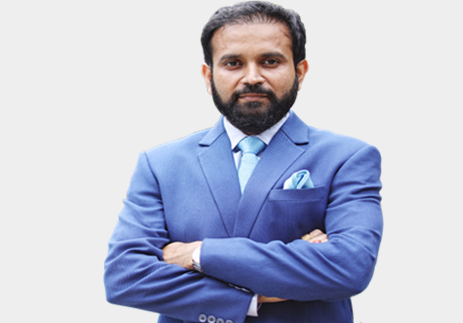
Importance of Blood Donation

Importance of Blood Donation

By . Mr. Piyush Somani
(Managing Director and Chairman)
ESDS Software Solution Ltd.

“The greatest gift anyone can give to humanity is blood donation. Voluntary blood donors save lives, and it is widely assumed that they have the highest regard for their selflessness. As a part of our core value “Respect & Care for fellow ESDSian” we encourage, the only way to show one’s love for a fellow colleague is to voluntarily donate blood. To keep this spirit alive, we hold blood donation camps every three months at ESDS. We are glad to know that, Arpan Blood Bank & Thalassemia Society are dedicated to the noble cause of treating Thalassemia patients. Wishing all the very best and great success to the entire team at Arpan.”
Voluntary Blood Donation For Thalassemia Kids

Voluntary Blood Donation For Thalassemia Kids

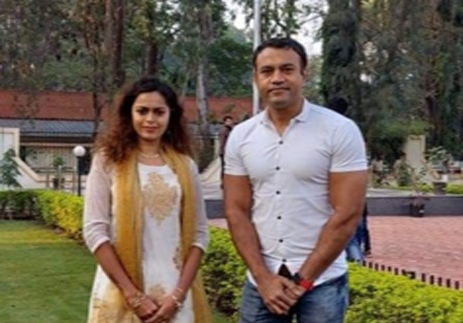
By Mr.Makarand Tayade & Mrs. Vruushali Taayadey Manager @ Bosch Nashik Plant &Managing Director Dreamz events & Aimfit
There are few unfortunate children in this world who really need our help not in terms of money but in the form our blood. Yes! You heard it right, these affected kids suffering from disease Thalassemia caused by hemoglobin deficiency in red blood cells. We came to know about this disorder few years back when we visited Arpan Blood Bank on our Anniversary and there after we decided to donate blood to Thalassemia affected children. Its been 7 years now we are continuing blood donation initiative to Thalassemia affected children and we urge you to please come forward for this Noble cause.
FAQs for Thalassemia

FAQs for Thalassemia

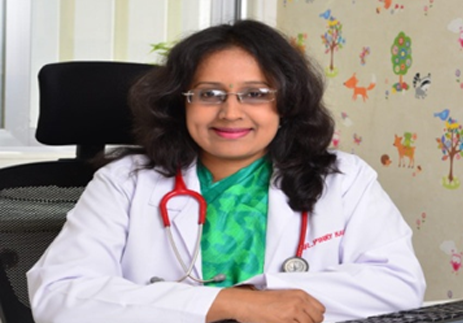
By Dr. Shraddha Rajesh Walvekar MBBS DGO(Pune). Consultant Gynecologist NAMCO Charitable Hospital.
  1. How does Thalassemia affect menstrual Cycle? Answer: Puberty may be delayed or progress abnormally in teenagers with Thalassemia, due to iron build up impairing the function of the pituitary gland. This may lead to complications such as: Absence of menstruation, known as amenorrhea. Diminished functioning of the sex organs, known as hypogonadism.
  2. What should I do if I’m a carrier of Thalassemia and I want to get pregnant? Answer: Severe types of Thalassemia can cause a situation during a woman’s pregnancy. If you or your partner knows you are a carrier for Thalassemia, talk to your doctor or a genetic counselor before getting pregnant. Certain tests may be able to show which type of Thalassemia you are carrying. Once you are pregnant, prenatal testing can show whether or not your baby has Thalassemia.
  3. Can you get pregnant with Beta- Thalassemia? Answer: Yes, but you may need help getting pregnant. Often, women with beta Thalassemia will need to use medications to help them ovulate in order to become pregnant. Many health problems caused by beta Thalassemia.
  4. What is prenatal detection of Thalassemia? Answer: Preferably be carried out by CVS in the first trimester of pregnancy (10-12 weeks). Chronic villus sampling CVS utilizes either a catheter or needle to biopsy placental tissue derived from the same fertilized egg as the fetus.
Beta Thalassemia

Beta Thalassemia

By Dr. Pinky Shah (Kale) Pediatric Hematologist and Oncologist M.D.(Pediatrics) Fellow of National Board (Pediatrics Haematology & Oncology) IAP Fellow ( Ped.Hematology & Oncology)
Beta Thalassemia syndromes are a group of hereditary disorders characterized by a genetic deficiency in the synthesis of beta-globin chains of hemoglobin resulting in anemia.In the homozygous state, beta Thalassemia (ie, Thalassemia major) causes severe, transfusion-dependent anemia. In the heterozygous state, the beta Thalassemia trait (ie, Thalassemia minor) causes mild to moderate microcytic anemia. Patients in whom the clinical severity of the disease lies between that of Thalassemia major and Thalassemia minor are categorized as having Thalassemia intermediate. Several different genotypes are associated with Thalassemia intermedia. Treatment of beta Thalassemia major • Transfusion therapy Long-term transfusion therapy • Transfusion therapy Long-term transfusion therapy (in those with transfusion dependent beta Thalassemia) is a treatment used to maintain hemoglobin levels at a target pre-transfusion hemoglobin level of 9-10.5 g/dL (11-12 g/dL in those with concomitant heart disease).To ensure quality blood transfusions, the packed red blood cells should be leucoreduced. By having leucoreduced blood bags, the patient is at a lower risk to develop adverse reactions by contaminated white cells and preventing alloimmunisation. These regular transfusions promote normal growth, physical activities and suppress bone marrow hyperactivity. This strategy treats the anemia and suppresses endogenous erythropoiesis so that extramedullary hematopoiesis and skeletal changes are suppressed. Patients receiving long-term transfusion therapy also require iron chelation. • Iron chelation therapy The prevention of iron overload protects patients from morbidity and mortality. Every unit of transfused blood contains 200–250 mg of iron and the body has no natural mechanism to remove excess iron.The primary aim is to bind and remove iron from the body. Iron chelation is a medical therapy that may prevent the complications of iron overload. The excess iron can be removed by iron chelators- deferoxamine, deferiprone and deferasirox • Hematopoietic stem cell transplantation Allogeneic hematopoietic transplantation may be curative in some patients with Thalassemia major. ☐ Prevention Beta Thalassemia is a hereditary disease allowing for a preventative treatment by carrier screening and prenatal diagnosis. It can be prevented if one parent has normal genes, giving rise to screenings that empower carriers to select partners with normal hemoglobin. Thalassemia carrier screening programs have educational programs in schools, armed forces, and through mass media as well as providing counseling to carriers and carrier couples. Screening has shown reduced burden of disease.
Awareness On Blood Donation

Awareness On Blood Donation

Donating blood is the most noble form of Donation. I have been to Arpan Blood bank a number of times for donating blood, but out of 10 times I was eligible to donate blood only two times. The last time when I went was really memorable. MY HB count was good and I was happy that yes…I could finally donate after a really long time. I had just delivered a baby 8 months ago, so the doctors were not ready for the donation. But I insisted. After a bit of persuasion I was allowed to donate blood. And it felt really good that this blood would be a lifesaver for a little one suffering from Thalassemia or other medical conditions. The staff later also took a follow up for two days whether I had any weakness. Medical science has made so many advances, but yet one thing that can’t be produced artificially in a laboratory is blood. So I really feel donating blood on a regular basis must be a part of our life just as we file our returns or pay our bills. By Darshana Karhu Vaidya MCA working as a Radio Jockey with My FM
YouTube
LinkedIn
LinkedIn
Share
WhatsApp